


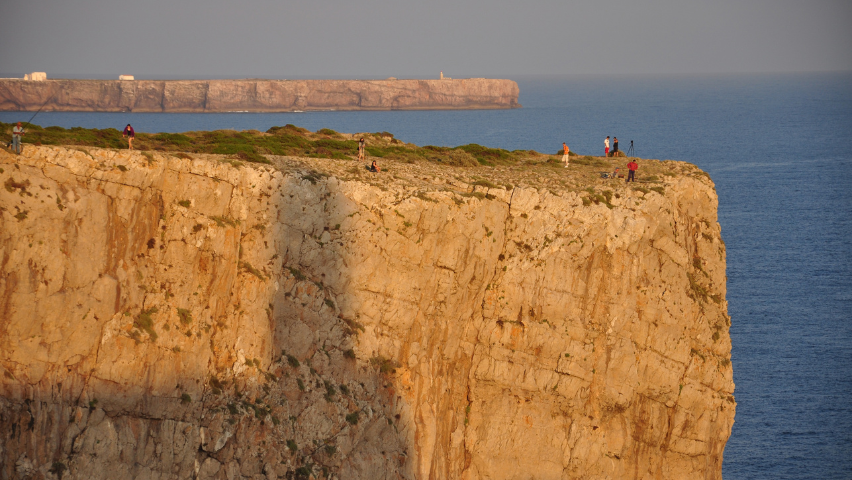
Some places are known for their monuments. Others for their landscapes. Sagres is best understood through the relationship between the two, and through the sea that has shaped life at this southwestern edge of Portugal for centuries.
Here, the land seems to reach out into the Atlantic, shaping dramatic cliffs, sheltered coves and rugged headlands where the wind almost always blows strong. For centuries, this was thought to be the ‘end of the known world’ – finisterra – a place from which people set out towards the unknown, where the horizon seemed to mark the very edge of the earth.
Today, we know that the world does not end here.
A landscape shaped by the sea
At Mareta Beach, the cliffs hold evidence of a past far older than human history. The rocks along the shore reveal fossils and geological formations that help tell the story of this landscape, including the ancient fossilised coral reef known as Pedra do Sal.
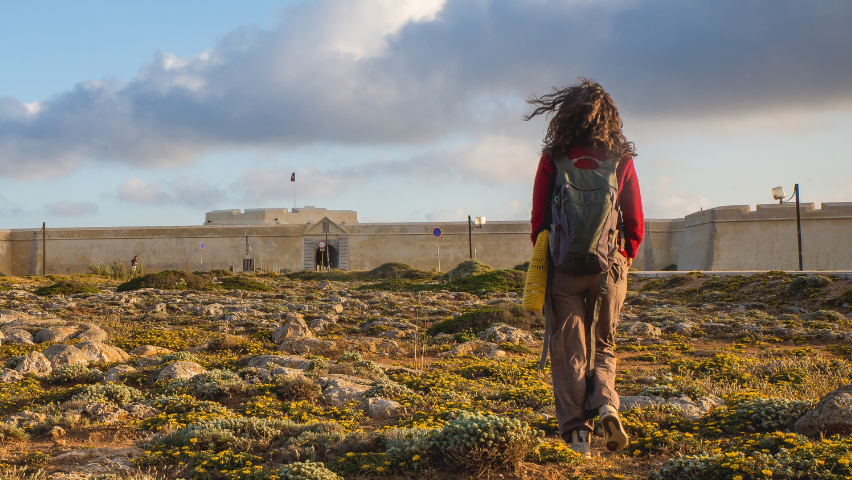
Further on, Tonel Beach lies beneath the presence of Sagres Fortress. Here, landscape and history begin to merge in a particularly striking way.
A fortress facing the horizon
Sagres Fortress is the village’s great historical landmark. Perched on the headland, the fortification is deeply connected to the history of Portuguese navigation and to the presence of Prince Henry the Navigator in the Algarve.
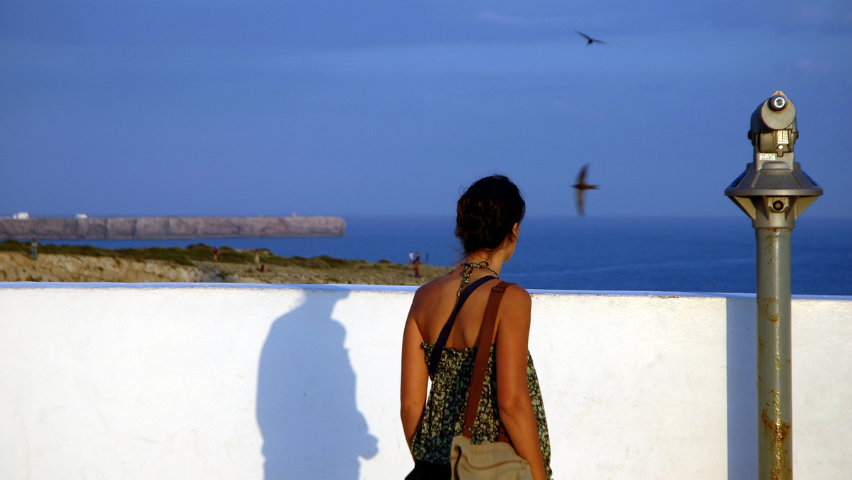
Its position immediately reveals the strategic importance of this territory: from here, the ocean dominates the horizon, while the different faces of the coastline unfold within a single sweeping landscape.
Inside the fortress stands the Church of Nossa Senhora da Graça, another testimony to the history of this place.
But perhaps the best way to visit the fortress is to take your time.
Walking through its grounds, approaching the cliffs and looking out across the ocean reveals that Sagres’ true heritage lies not only in the stones that remain, but also in the landscape that gives them meaning.
Between fortresses and coves
The relationship between defence, navigation and the sea continues along the coastline.
At Beliche, the cliffs plunge towards a small cove. Perched above them, the Fort of Santo António do Beliche recalls a time when this coast needed to be protected and fishing played an important role in the local economy.
The small fortification and its chapel add another layer to Sagres’ maritime history: that of a territory exposed to the ocean and therefore both open to the wider world and compelled to protect itself from it. What was once a coastline to be watched over is now a landscape to contemplate, walk through and discover.
Where the sea is still a way of life
At Baleeira, the sea is no longer just a horizon – it becomes a place of work. The harbour keeps the presence of fishing boats alive and offers a glimpse into a side of Sagres that belongs not only to the past.
Here, you can visit the Sagres Fish Market Interpretation Centre, housed in the former fish auction building at Baleeira Harbour. The original fish auction began operating in 1973, when fish was still sold on the beach and along the slipway at Baleeira. In 2002, the current auction facilities came into operation and the former building was no longer used for this purpose. Almost two decades later, in 2021, it was restored and transformed into an interpretation centre dedicated to the history of fishing and the first sale of fish in Sagres.
Since 2024, the centre has been part of the municipal museum network. It preserves the memories of fishermen, boat owners, buyers and all those who made Baleeira a place of work, while also looking towards the present and future of the sea.
This is also where it becomes clear how the relationship with the ocean continues to evolve. Fishing, gastronomy, surfing, maritime tourism and nature tourism are now all part of an economy and identity that remain deeply connected to the Atlantic.
This continuity is what makes Sagres particularly fascinating: its relationship with the sea is not simply a historical memory. It remains an essential part of everyday life.
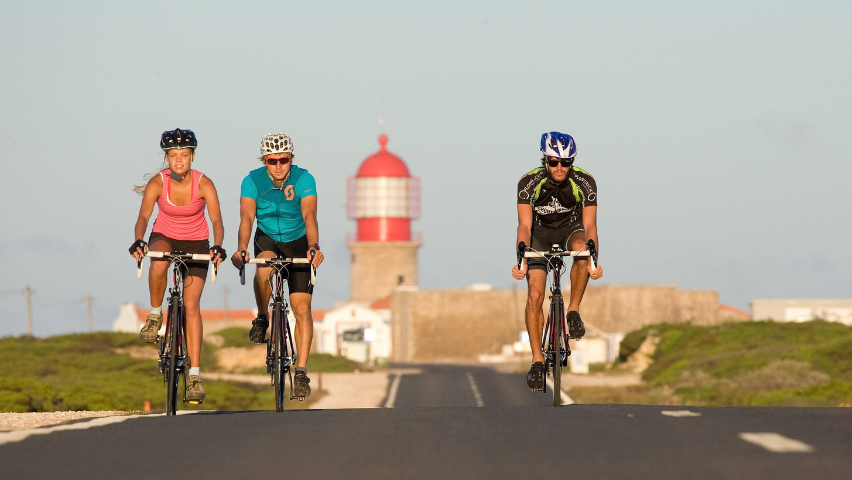
Cabo de São Vicente, a finisterra atlântica
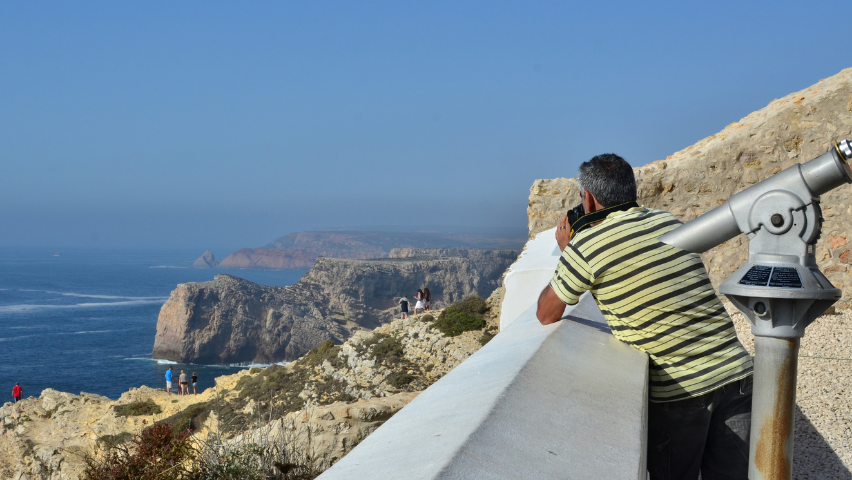
At the southwesternmost tip of Portugal, Cape St Vincent rises above the cliffs as a place where nature, history and spirituality meet.
Known in Antiquity as Promontorium Sacrum, it was for centuries an important place of worship and pilgrimage and, later, a strategic point for the defence of the coast. Cape St Vincent Fortress, built in the 16th century and subsequently rebuilt, is now part of the historic complex that also includes the iconic lighthouse, first commissioned in 1904.
Today, amid soaring seabirds, powerful winds and the vastness of the ocean, Cape St Vincent remains a place to pause, take in the view and experience the unique sense of finisterra at the far southwestern edge of Europe.
A landscape to take in
But there is another way to discover Sagres: look up.
The Sagres Peninsula is an exceptionally important stopover for migratory birds and one of the best places in Europe to watch seabirds on migration, including Cory’s shearwaters, northern gannets, skuas, terns and gulls. Every year, particularly during the autumn migration, thousands of birds cross this region on their journeys between Europe and Africa.
The cliffs, coastal scrub, farmland and valleys offer a variety of habitats and vantage points for observing wildlife.
For a few days each year, this side of the landscape takes centre stage during the Sagres Birdwatching & Nature Activities Festival.
The event brings together birdwatchers, photographers, researchers, families and nature enthusiasts, offering a different way to discover the territory through field trips, birdwatching, nature photography and other activities.
This is a different Sagres from the one we usually associate with the Age of Discoveries: a landscape that forms part of a route travelled by birds crossing continents, finding in this southwestern corner a place to pass through, navigate and rest.
Discover nearby walking and cycling routes
Walking Trails
» TP: Vila do Bispo » Sagres
» TP: Sagres » Salema
» CH: Vila do Bispo » Cabo de S. Vicente– Vila do Bispo
» PC: Cordoama (10km) – Vila do Bispo
» PC: Cordoama (15,5km) – Vila do Bispo
Cycling Trails
» Gravel: Cabo de São Vicente » Sagres » Lagos
» Touring: Touring Bike – Rota Vicentina
Every choice makes a difference!
By choosing Rota Vicentina partners, you are helping to sustain this project, support local communities and protect the landscapes that make this territory unique, contributing to a more positive and responsible form of tourism.
Places to Stay

Memmo Baleeira Hotel
Sagres
Slow down, reconnect with nature and reflect on ecology, planetary regeneration and environmental and personal awareness. Its regenerative approach goes beyond minimising impact, seeking to contribute positively to the ecosystem and inspire more conscious ways of travelling.
Salema Eco Camp
Salema
Slow down, reconnect with nature and reflect on ecology, planetary regeneration and environmental and personal awareness. Its regenerative approach goes beyond minimising impact, seeking to contribute positively to the ecosystem and inspire more conscious ways of travelling.
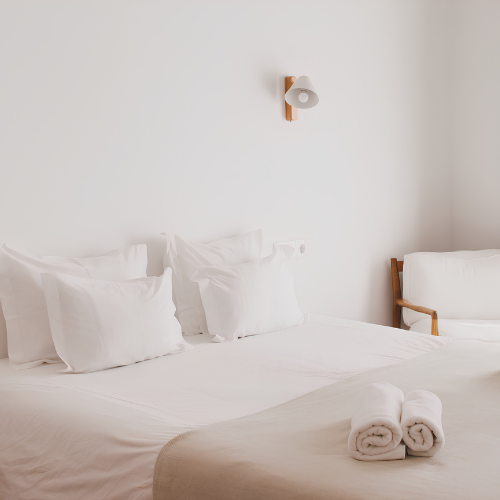
Hotel Mira Sagres
Vila do Bispo
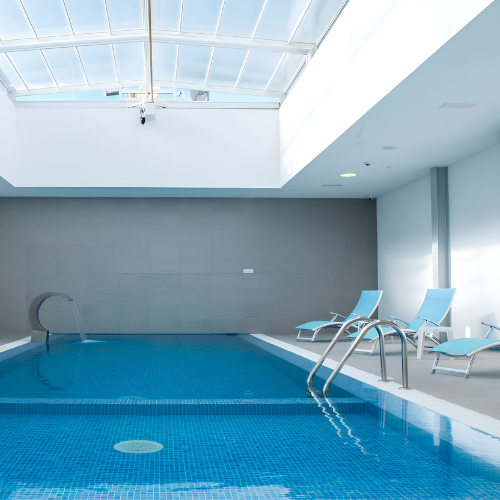
With a heated indoor pool and spa, this hotel offers a comfortable base for exploring the region, combining relaxation and convenience with easy access to the landscapes and heritage of the Vicentine Coast.
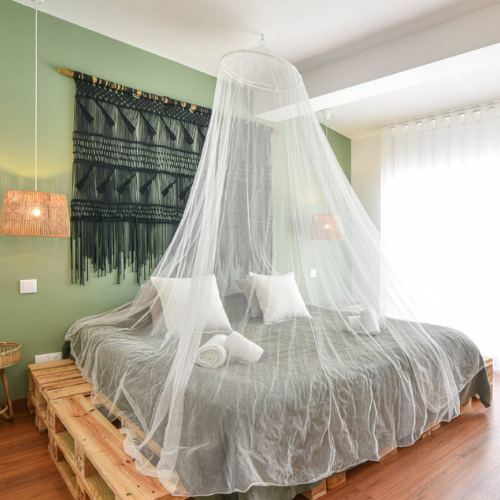
Pure Accommodations
Vila do Bispo
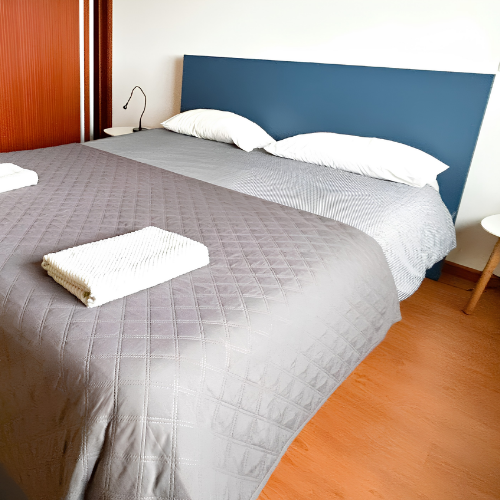
In the heart of the Vicentine Coast, Pure Accommodations offers an ideal place to relax and unwind, whether you’re enjoying a holiday or taking a well-deserved break from your walk along the Rota Vicentina.
Casa Colorida and Casa Tempo e Amor
Vila do Bispo
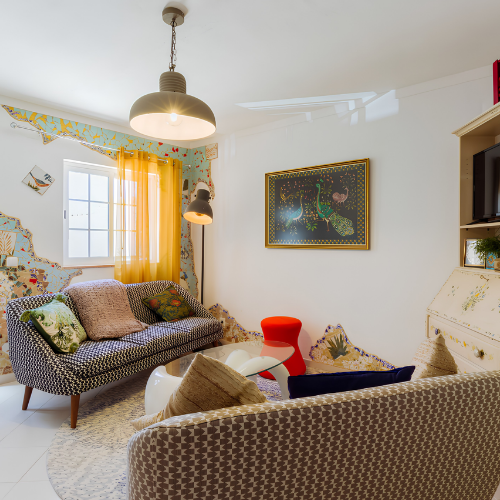
A warm and authentic experience on the Vicentine Coast, with a location that invites you to explore the area on foot, by bike or in the water, with walking trails, snorkelling and cycling routes right on the doorstep.
Lila’s Apartment Private Accommodation
Vila do Bispo
Ideally located for discovering the region, with walking trails, snorkelling and cycling routes right on the doorstep.Places to Eat
O Lourenço
Salema
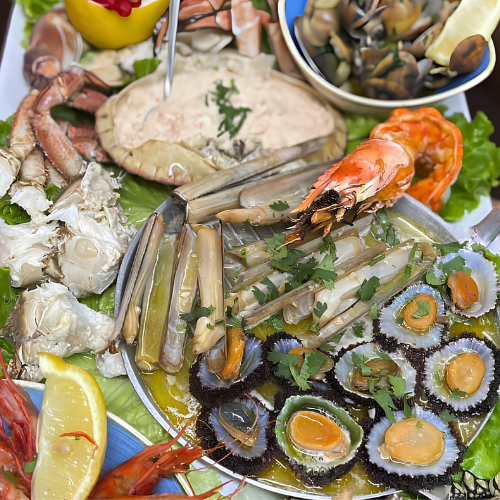
On Salema Beach, with a welcoming terrace, O Lourenço has earned a reputation beyond Portugal as a great place to experience authentic Algarve cuisine.Things to Do
Mar Ilimitado
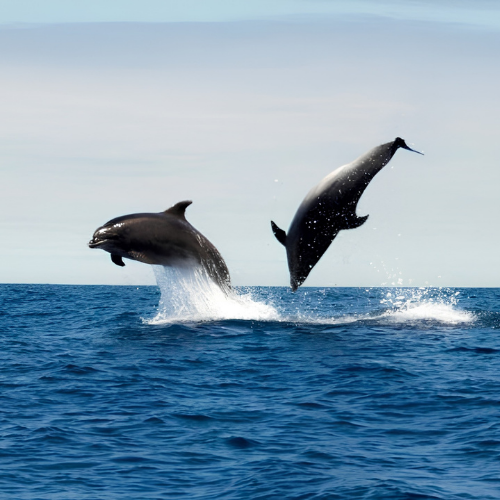
A team of marine biologists with a passion for ocean conservation, this is how Mar Ilimitado is briefly defined. From Sagres, they dreamed of discovering the ocean, as 500 years ago, others dared to do so!
Salema Tours
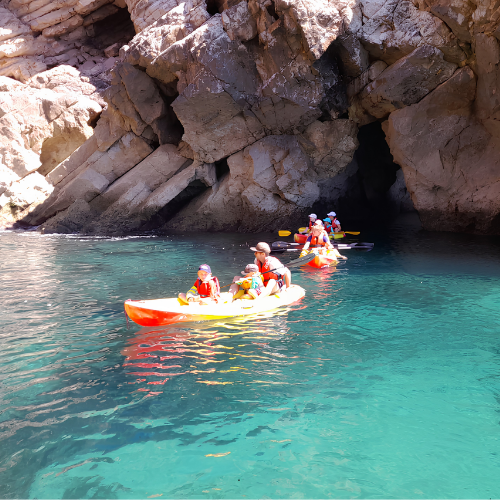
Head out to sea to discover local marine life, explore the Benagil caves and picturesque (and secret) Algarve beaches by boat, or try your hand at fishing and catch your own lunch.
ProActiveTur
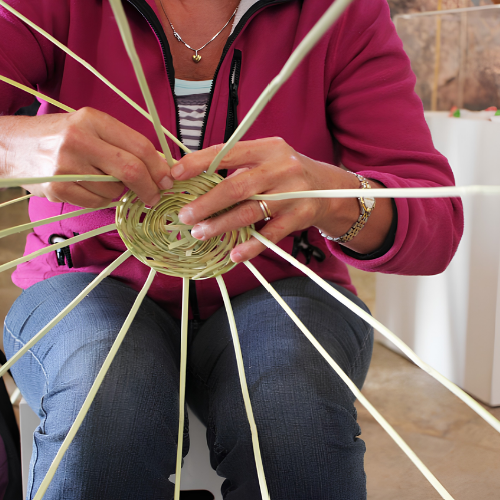
Discover the authentic side of the region, whether at the pace of a guided walk or by getting hands-on with local traditions — from trying your hand at the potter’s wheel and gathering willow to make baskets, to spending time with a local shepherd and their flock.
Algarve Bike
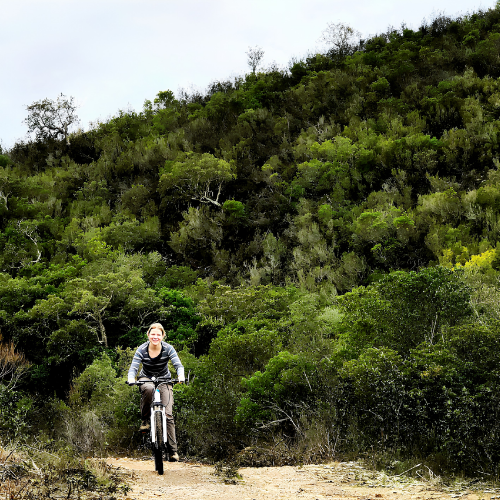
Explore the trails of the Rota Vicentina by e-bike, with the assistance of a small electric motor to give you an extra boost on the more challenging climbs.Getting Around
Táxi T
A well-established and professional transport company offering passenger, luggage and bicycle transfers, with short-, medium- and long-distance services tailored to the needs of walkers and travellers.
Traking Transfers
Traking Transfers specialises in luggage transfers along the Rota Vicentina, allowing walkers to explore the Fishermen’s Trail and Historical Way with greater comfort and freedom.

From Alentejo, with a restless spirit, an attentive eye, and an ever-curious professional mindset — perhaps intensified by years in journalism. A member of Rota Vicentina’s Marketing and Communication team since 2026, she keeps one foot on the trail, where everything begins and ideas can breathe. Because before telling the story, you have to live […]
Our suggestions
Search by category
