


ID Sudoeste: Odemira Food System fosters closer links between local production and consumption
5 minutos de leituraOdemira Local Food System: A collaborative pathway to align producers and consumers across the region
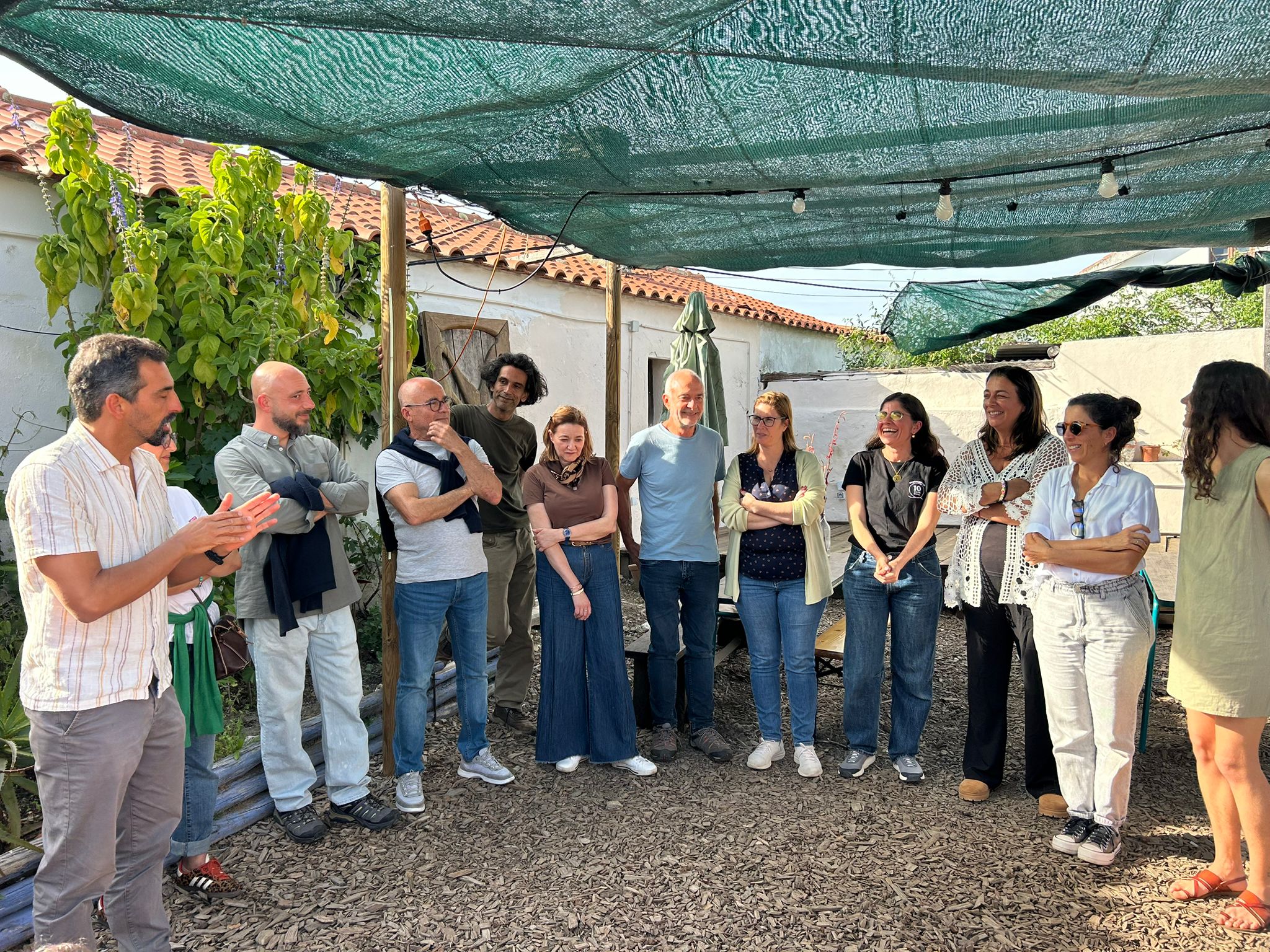
What if the future of food depended on closer, fairer and more conscious relationships between those who produce and those who consume?
SAL Odemira (Sistema Alimentar Local de Odemira – Local Food System) is working to turn that possibility into reality, seeking to build bridges between local producers and consumers.
Promoted by Regenerativa Cooperativa Integral, a member of the ID Sudoeste Consortium led by Rota Vicentina under the PROVERE*, the project is cultivating relationships and knowledge-sharing in search of practical solutions to build a more local, resilient food system, better aligned with the real needs of both producers and consumers.
More than simply mapping production or identifying needs, SAL Odemira has been building a collaborative process that places people at its centre. Through active listening and network-based collaboration, the project brings together different realities — from production to consumption — creating the conditions for more aligned, sustainable and lasting responses.
Over recent months, SAL Odemira, which is supported by funding from the Municipality of Odemira, has been carrying out ongoing, close engagement with the territory, grounded in active listening to a wide range of stakeholders.
Através de entrevistas, encontros e momentos de partilha, tem sido possível mapear a produção existente – embora ainda não tenha sido possível fazer o levantamento de informação na totalidade do concelho de Odemira -, começar a compreender padrões de consumo e a identificar desafios concretos. A intenção é criar uma base sólida para a ação.
Ao ouvir o território, envolvendo produtores e consumidores, o projeto vai construindo uma aprendizagem coletiva, permitindo usar essa escuta para criar conhecimento. Esta abordagem permite não só identificar dificuldades, mas também alinhar expectativas e detetar oportunidades, reforçando a ligação entre quem produz e quem consome.
This participatory process has highlighted a key point: the potential for local consumption does exist,but making it a reality depends on the ability to coordinate across all actors. It is within this meeting point between needs and expectations that SAL positions itself, promoting solutions built collaboratively through networks.
From diagnosis to action
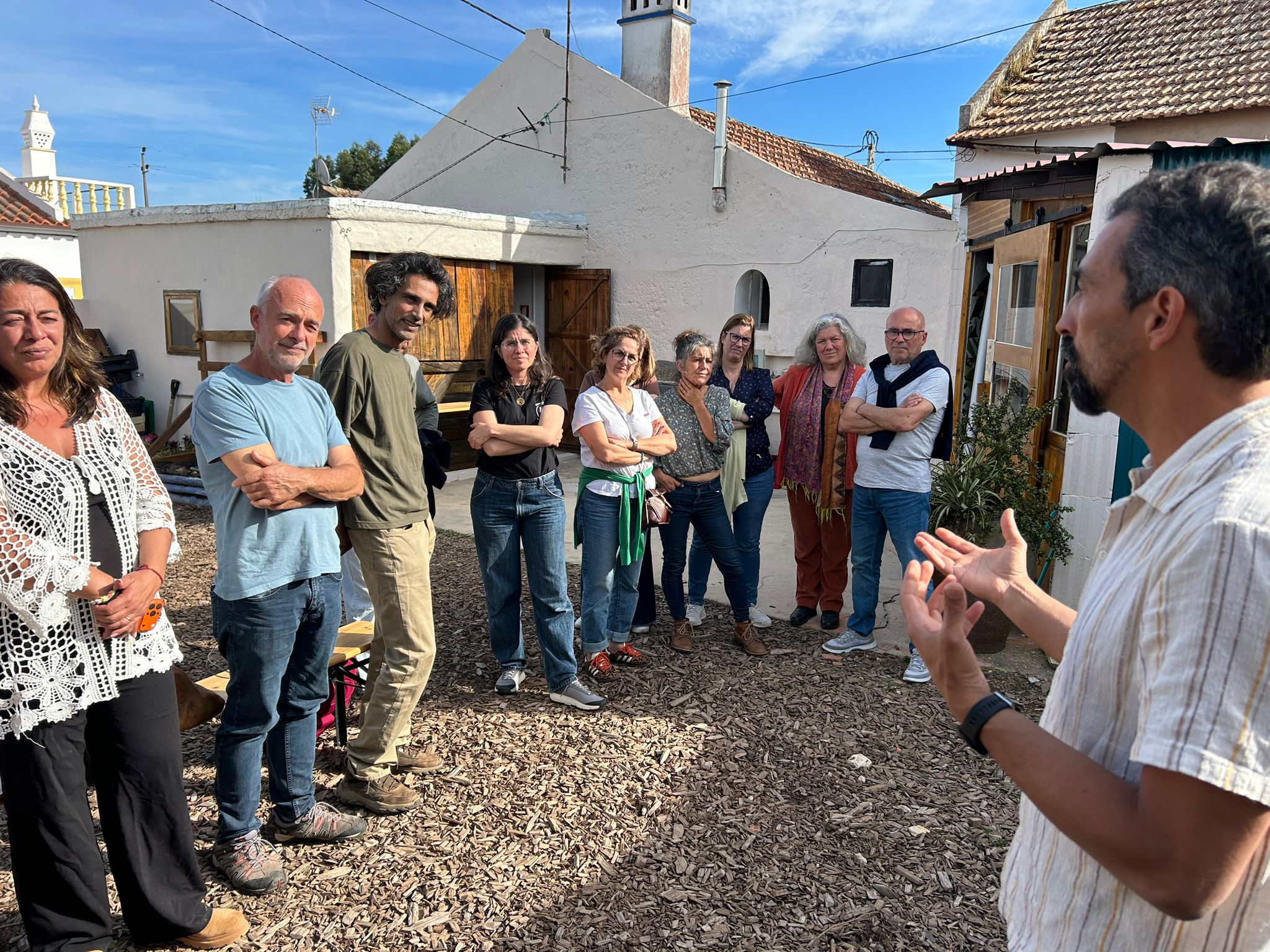
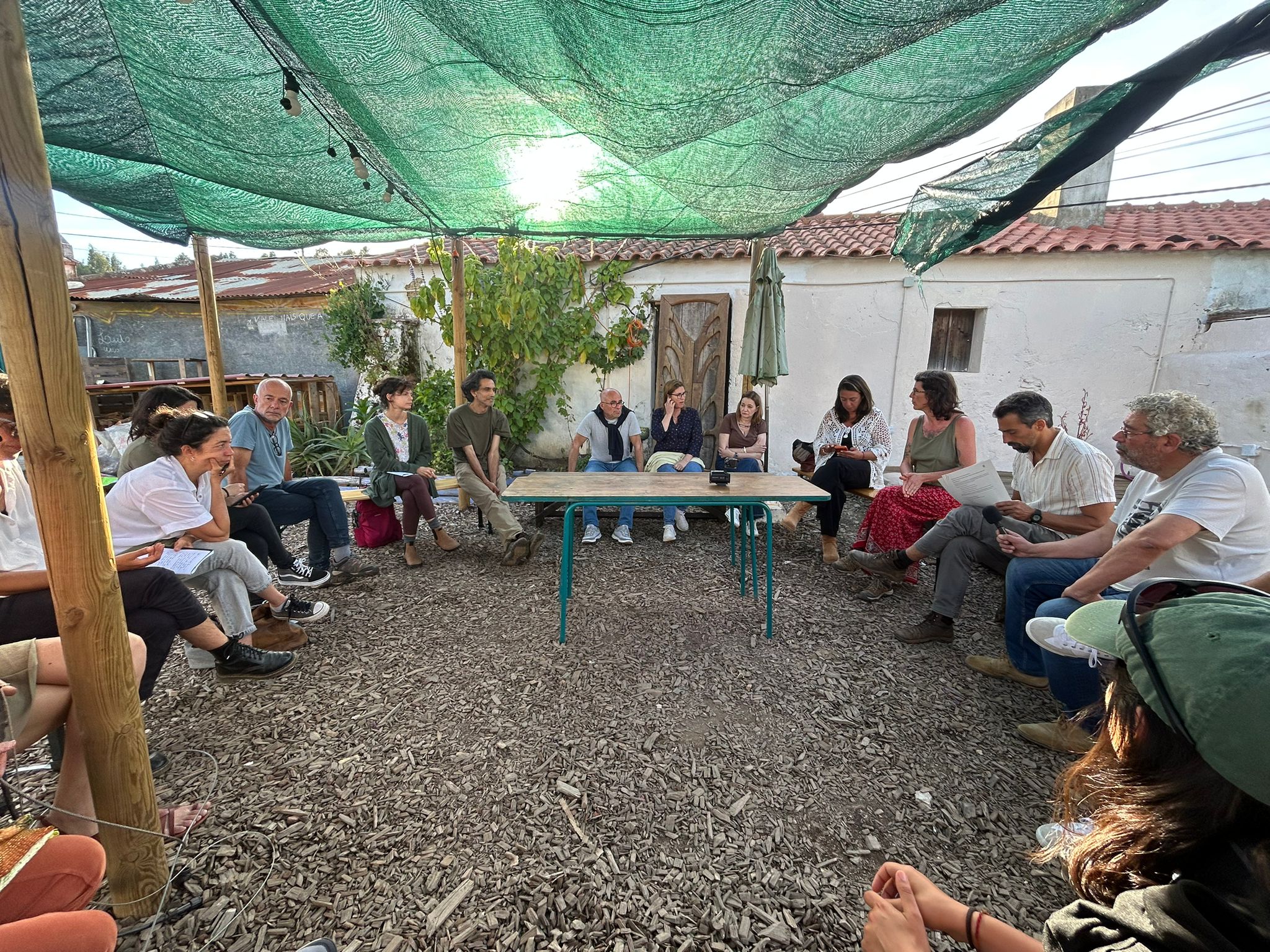
It was in this context that, on 16 April, Espaço Nativa hosted another session of the project, bringing together local consumers from the tourism sector, including several members of Rota Vicentina from the restaurant and accommodation areas, as well as the Association’s president, Sara Serrão.
The meeting, facilitated by André Vizinho, coordinator of the SAL Odemira project, reinforced the importance of creating spaces for dialogue where different perspectives can converge.
Throughout the session, it became clear that the challenges are shared: production scale, certification, logistics, and the irregularity of supply and demand. But it also became evident that the solutions gain strength when they are built collectively.. The role of structures such as cooperatives, together with joint planning between production and consumption, emerges as a key element in giving the system greater consistency.
The valorisation of local production was another key focus. The use of seasonal produce, the full use of ingredients, and the transformation of surpluses show that it is possible produzir e consumir de forma mais consciente, eficiente e alinhada com o território.
At the same time, improving communication between producers and consumers was identified as a central need. Sharing information about availability, anticipating needs and creating direct channels are essential steps to reduce waste and increase the system’s efficiency.
Greater authenticity in the tourism experience
The meeting also confirmed an encouraging sign: there is growing interest from sectors such as hospitality and tourism in integrating local and organic products — provided there is a reliable supply and a degree of predictability.
The possibility of integrating local products into their offer in a more structured way gives tourism businesses the opportunity to enhance the experience they provide, setting themselves apart through authenticity while also contributing to a more sustainable and regenerative economic model, rooted in the local territory.
More than a set of initiatives, SAL Odemira is emerging as an evolving process, focused on building lasting connections between people, activities and shared interests.. “Cultivating” here means precisely that: bringing closer, aligning and strengthening.
In a territory with a strong identity and its own resources, investing in local production and consumption is also a way to strengthen the economy, value local knowledge and promote greater sustainability. And this path is increasingly built through networks.
Cofinanciado por:

*PROVERE – Programa de Valorização Económica dos Recursos Endógenos
Fotos: Regenerativa Cooperativa Integral
From Alentejo, with a restless spirit, an attentive eye, and an ever-curious professional mindset — perhaps intensified by years in journalism. A member of Rota Vicentina’s Marketing and Communication team since 2026, she keeps one foot on the trail, where everything begins and ideas can breathe. Because before telling the story, you have to live […]
Our suggestions
Search by category
